Table of contents
Discover the fascinating world of wood therapy and its transformative effects on lymphatic drainage. This subject delves into how specialized wooden tools can support the body’s natural detoxification processes, enhance well-being, and promote relaxation. Dive deeper into the unique benefits and science behind this traditional technique, and uncover why it’s gaining popularity in holistic health circles.
History and origins of wood therapy
Wood therapy history traces its roots to ancient healing traditions that emphasized holistic wellness and natural materials. Across different civilizations, practitioners developed unique wooden tools and massage techniques to stimulate circulation, promote detoxification, and support overall health. In South America, particularly Colombia, maderotherapy emerged as a specialized practice involving carved wooden implements designed to contour the body and encourage lymphatic flow. These tools often varied in shape and purpose, reflecting regional beliefs about bodily health and the movement of vital energies. In Asia, wooden rollers and sculpted sticks were also used in traditional wellness rituals, with a primary focus on energy channels and fluid movement, laying the groundwork for what is now referred to as lymphatic massage origins.
Cultural significance has played a pivotal role in shaping the evolution of wood therapy from its ancient roots to its present-day application in spas and clinics worldwide. As knowledge of lymphatic drainage processes deepened, practitioners began to refine maderotherapy tools and methods, incorporating anatomical understanding with traditional wisdom. This fusion of old and new highlights the adaptability of ancient healing practices, ensuring that wood therapy remains relevant in modern holistic wellness approaches. The regional diversity in wood selection, tool craftsmanship, and massage technique underscores a broad cultural appreciation for natural healing, further supporting the contemporary resurgence of wood therapy for lymphatic health and detoxification.
How wood therapy supports drainage
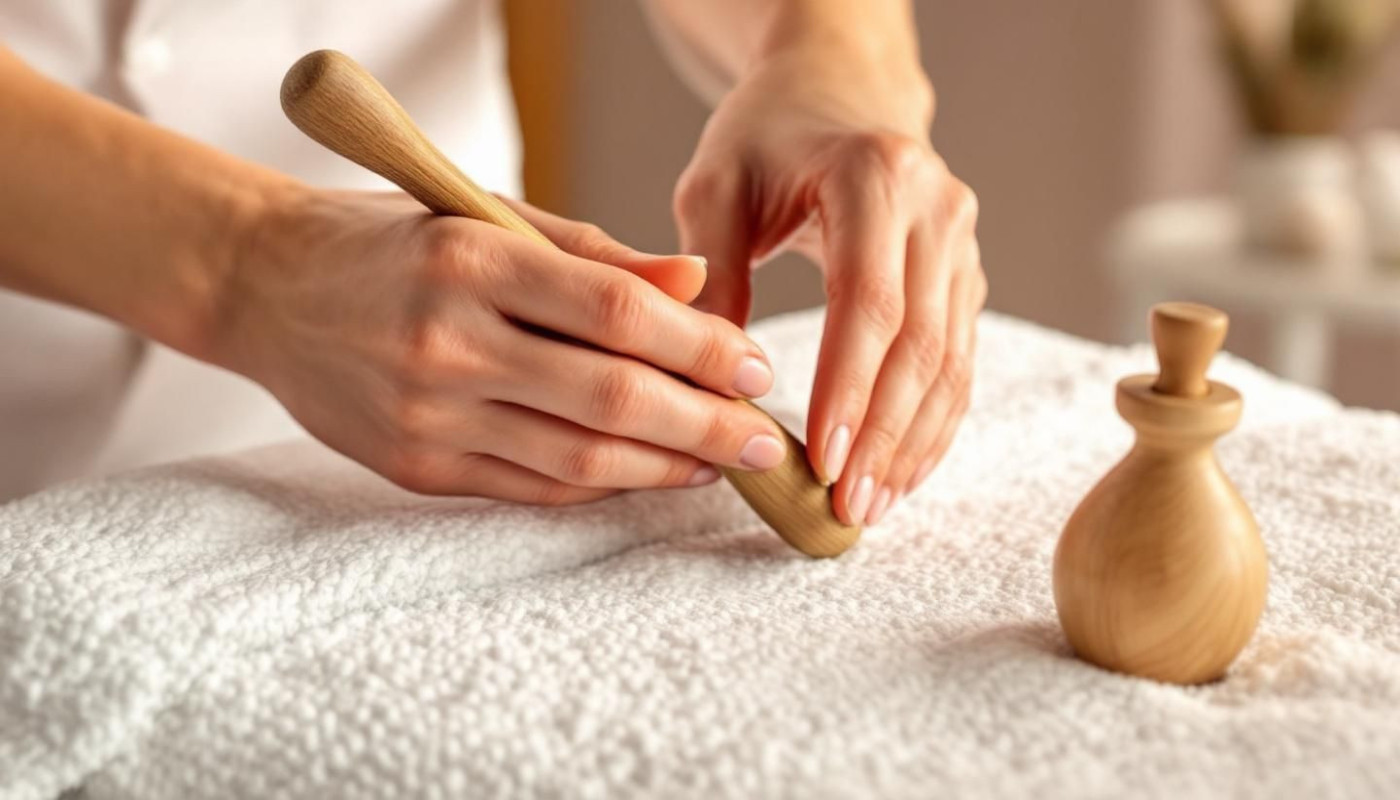
Wood therapy, also known as maderotherapy, uses anatomically designed wooden instruments to apply targeted pressure and rhythmic movements across the skin, optimizing the body’s natural detoxification process. The unique design of maderotherapy tools allows them to stimulate the lymphatic system in ways that hands alone cannot, increasing lymphatic flow and supporting the body’s ability to eliminate waste and toxins. Lymphatic stimulation through these specialized movements encourages the transportation of lymph—a clear fluid containing immune cells and metabolic byproducts—toward lymph nodes, where filtration and detoxification occur.
Unlike traditional massage, wood therapy benefits stem from the precise pressure wooden tools provide, which can help break up subcutaneous fat deposits and reduce water retention, both of which can impede healthy lymphatic drainage. The use of consistent, gliding, circular, and pumping motions enhances lymphatic flow by mechanically propelling interstitial fluids toward major lymphatic vessels. This method can be particularly effective for those seeking support with swelling, sluggish circulation, or detoxification, as it assists the lymphatic system in returning excess fluids to the bloodstream for processing.
A certified lymphatic drainage therapist understands that the effectiveness of wood therapy lies in its ability to target deeper tissue layers without causing discomfort, unlike some manual techniques that may be limited by hand strength or fatigue. When combined with a skilled understanding of lymphatic anatomy and fluid dynamics, maderotherapy tools enable practitioners to tailor treatments for individualized results. The synergy between technique, tool, and biological response is at the heart of wood therapy’s growing reputation as a supportive method for lymphatic drainage and overall well-being.
Key benefits for health and wellness
Wood therapy, a practice rooted in holistic wellness, offers a range of health benefits that make it an attractive addition to any self-care routine. By utilizing specially crafted wooden tools, this technique is designed to stimulate lymphatic flow, resulting in reduced swelling—known medically as edema—and improved circulation throughout the body. Enhanced blood flow not only aids in the removal of toxins but also delivers oxygen and nutrients to tissues more efficiently, contributing to overall vitality. In addition, regular sessions have been linked to immune support, as a healthy lymphatic system is integral to the body’s ability to fight infections and maintain balance. These effects underscore the growing interest in wood therapy for those seeking natural and non-invasive methods to elevate their well-being.
Clinical observations and preliminary studies suggest that wood therapy may be a valuable tool for reducing localized fluid retention and promoting systemic health. While some misconceptions persist—such as the belief that wood therapy alone can produce dramatic, instant slimming results—board-certified holistic health experts emphasize that its real value lies in supporting physiological functions rather than delivering quick fixes. Integrating wood therapy into a broader wellness regimen, which might include hydration, balanced nutrition, and regular physical activity, aligns with holistic principles and maximizes its benefits. For individuals interested in natural approaches to health, wood therapy represents a targeted strategy for reduced swelling, improved circulation, and immune support, all key pillars of optimal holistic wellness.
Wood therapy versus other techniques
When considering lymphatic drainage comparison, wood therapy stands out due to its use of specially designed wooden instruments that facilitate targeted stimulation and improved circulation. In contrast, manual lymphatic drainage relies exclusively on hands-on, rhythmic massage movements guided by physiological knowledge of lymphatic pathways. Mechanical devices, another popular alternative therapy, often utilize suction, vibration, or compression to encourage fluid movement, but may lack the tactile adaptability found in more personalized approaches. The distinction lies in both the tactile nature of wood therapy and its ability to adjust pressure and technique to individual needs, offering a tailored experience that often results in deeper tissue engagement and unique client experiences compared to the subtler pressure of manual lymphatic drainage or the uniformity of machine-based methods.
In terms of therapy effectiveness, wood therapy has been praised for its dual action: not only does it support lymphatic flow, but it also addresses muscular tension and sculpting, aspects that appeal to clients seeking visible body contouring. Client experiences frequently highlight a sense of rejuvenation and rapid reduction in swelling or water retention, yet some may prefer the gentler touch and proven clinical background of manual lymphatic drainage, which remains the gold standard in post-surgical and medical contexts. Mechanical devices, although efficient, may produce less nuanced results and sometimes lack the personal touch valued by many. For those interested in exploring global practices, lymphatic massage in bangkok offers a unique blend of traditional and modern lymphatic techniques, further expanding the range of options available in alternative therapies.
Integrating wood therapy safely
When incorporating safe wood therapy into a self-care or professional wellness routine, adhering to established professional guidelines is vital for lymphatic safety. Always begin by consulting with a licensed massage therapist or seeking the advice of a medical professional, particularly if there are any underlying health concerns. Practitioner qualifications should include recognized certification in both wood therapy techniques and lymphatic drainage, ensuring a comprehensive understanding of contraindications such as active infections, open wounds, recent surgeries, severe varicose veins, and certain circulatory disorders. People with compromised immune systems, advanced heart conditions, or those who are pregnant should avoid wood therapy unless specifically cleared by their physician.
Ensuring the environment is clean and sanitized, using properly maintained wooden tools, and applying the correct pressure are necessary steps to avoid risk and enhance the safe wood therapy experience. Professional guidelines recommend starting with shorter sessions and assessing skin response, especially for those new to this modality. To find a qualified practitioner, research their credentials, verify their certification in lymphatic drainage and wood therapy, and review testimonials or professional affiliations. Accurate evaluation of contraindications and the practitioner’s expertise significantly reduce the risk of adverse effects, making wood therapy an effective and mindful addition to a holistic self-care strategy.
Similar

When Payment Options Become A Barrier To Fertility Care

Exploring The Benefits Of EMDR Therapy For Diverse Mental Health Issues

Exploring The Power Of Functional Medicine To Heal Chronic Conditions

Exploring The Benefits Of Individual Private Therapy Practices

Exploring The Benefits Of Certification For Holistic Health Practitioners
